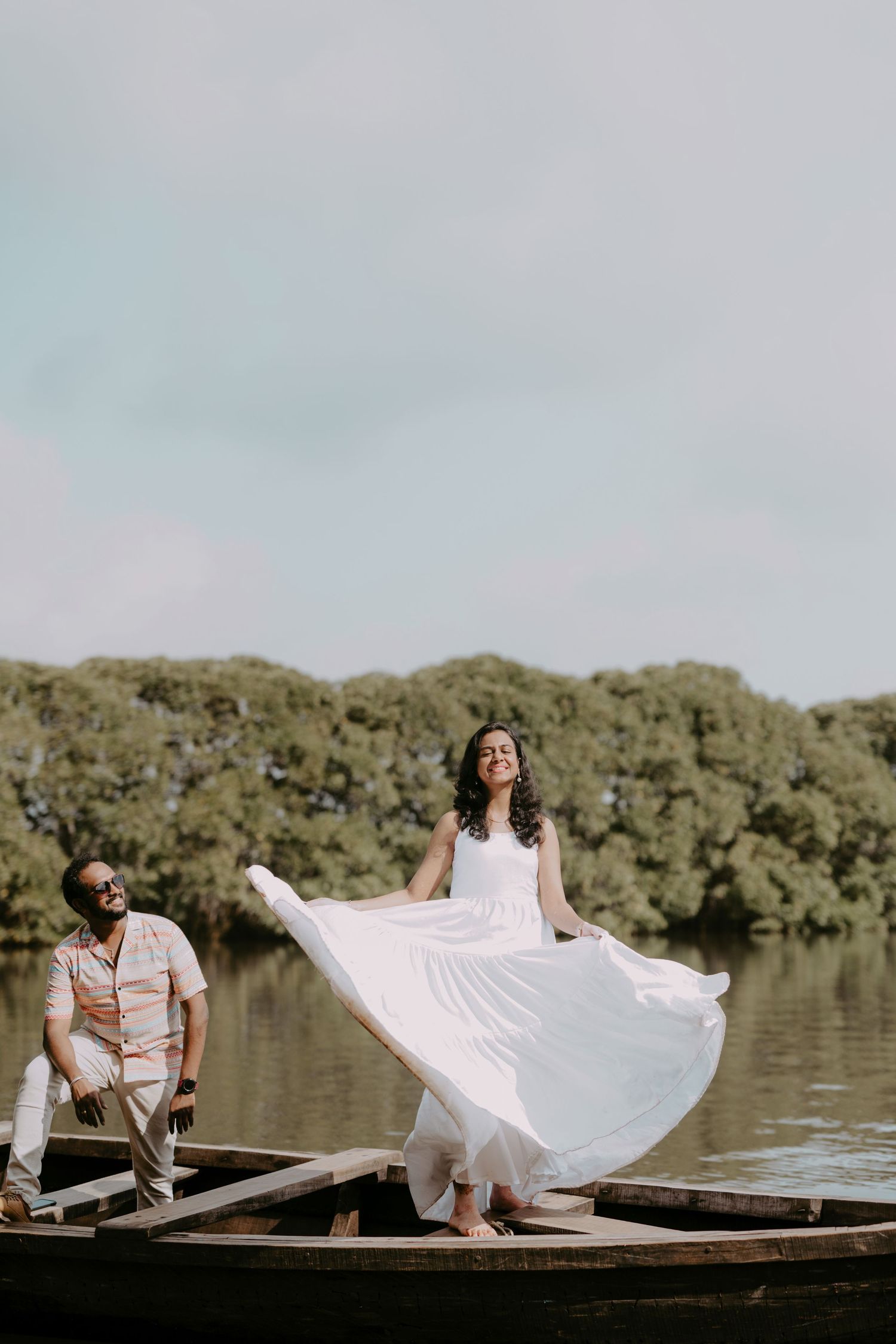
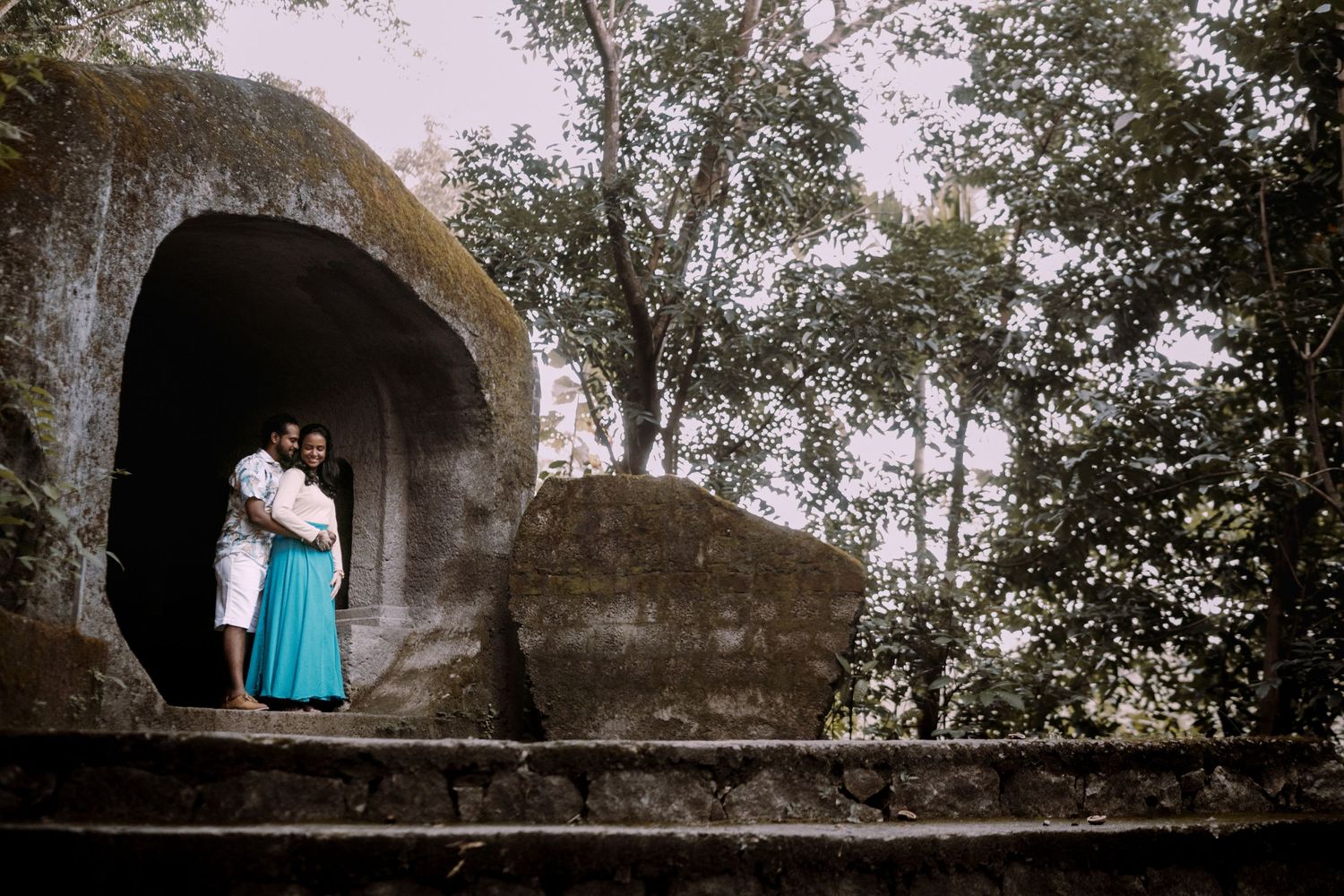
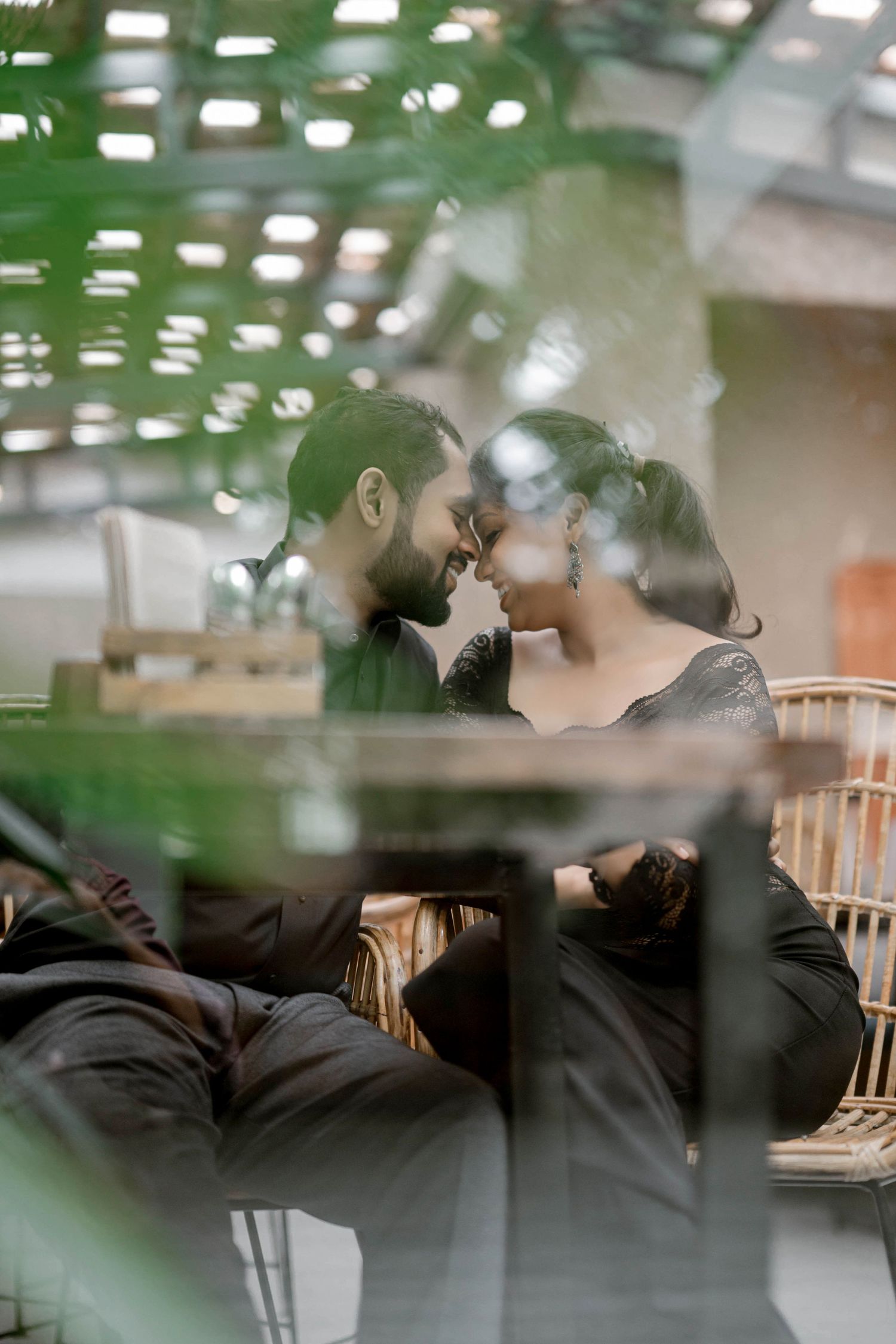
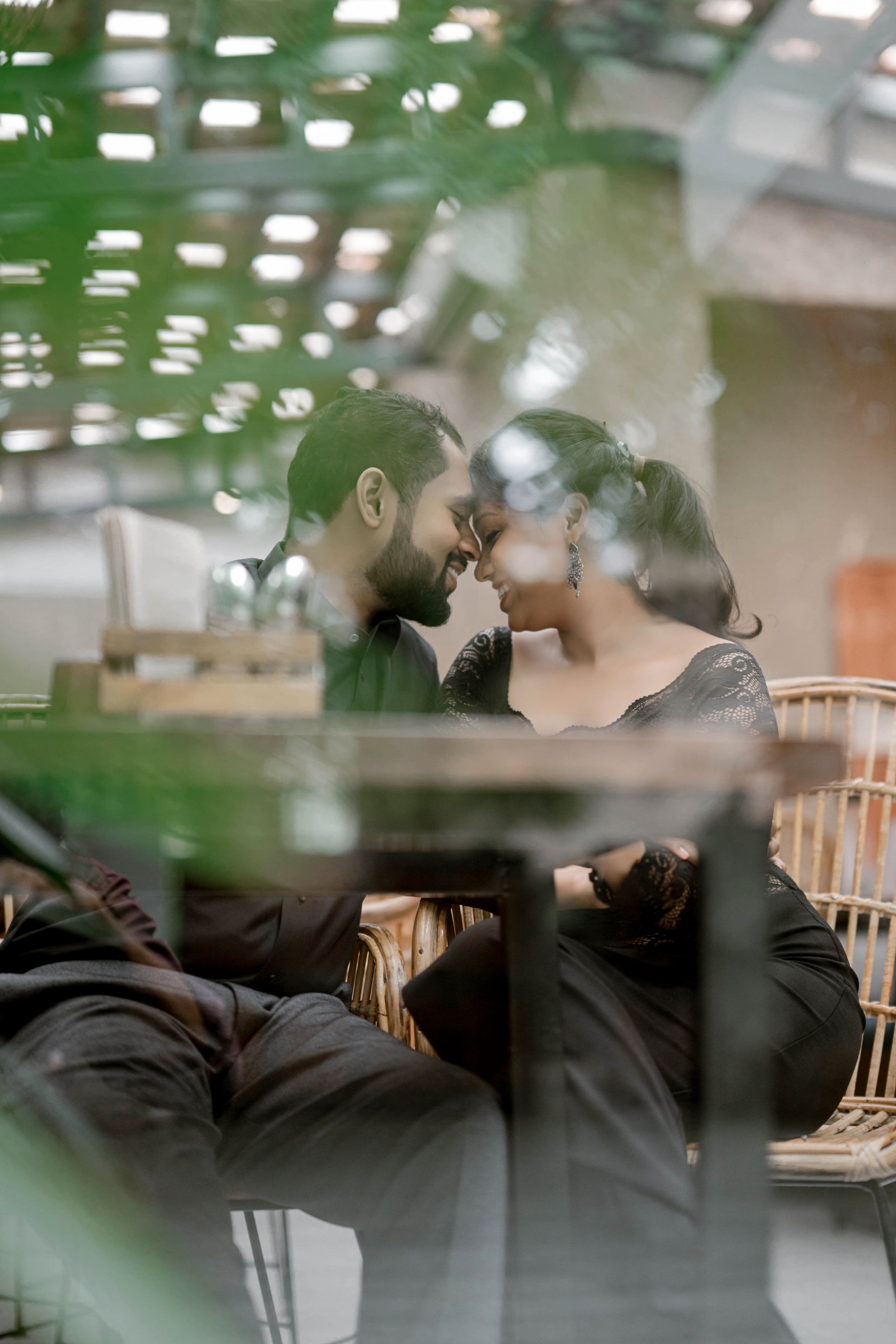
A Chennai wedding rarely waits for the photographer to be ready. The muhurtham is fixed by the priest, not by good light, which means some of the most important moments of the day happen at 6 a.m. under tube lights in a hall that smells of jasmine and camphor. Anyone who has shot weddings in this city long enough stops fighting that reality and starts working with it. That is really what candid photography in Chennai comes down to: staying close enough to catch what is actually happening, without asking anyone to pause and happen again for the camera.
The instinct to pose people is understandable. It feels safer, more controllable. But a posed frame of the kanyadanam looks like a demonstration of the ritual. A candid frame of it looks like what it is — a father's hands, a daughter's face, a room full of relatives leaning in at the exact same second. The difference is not aesthetic preference, it is information. One tells you the ritual happened. The other tells you how it felt.
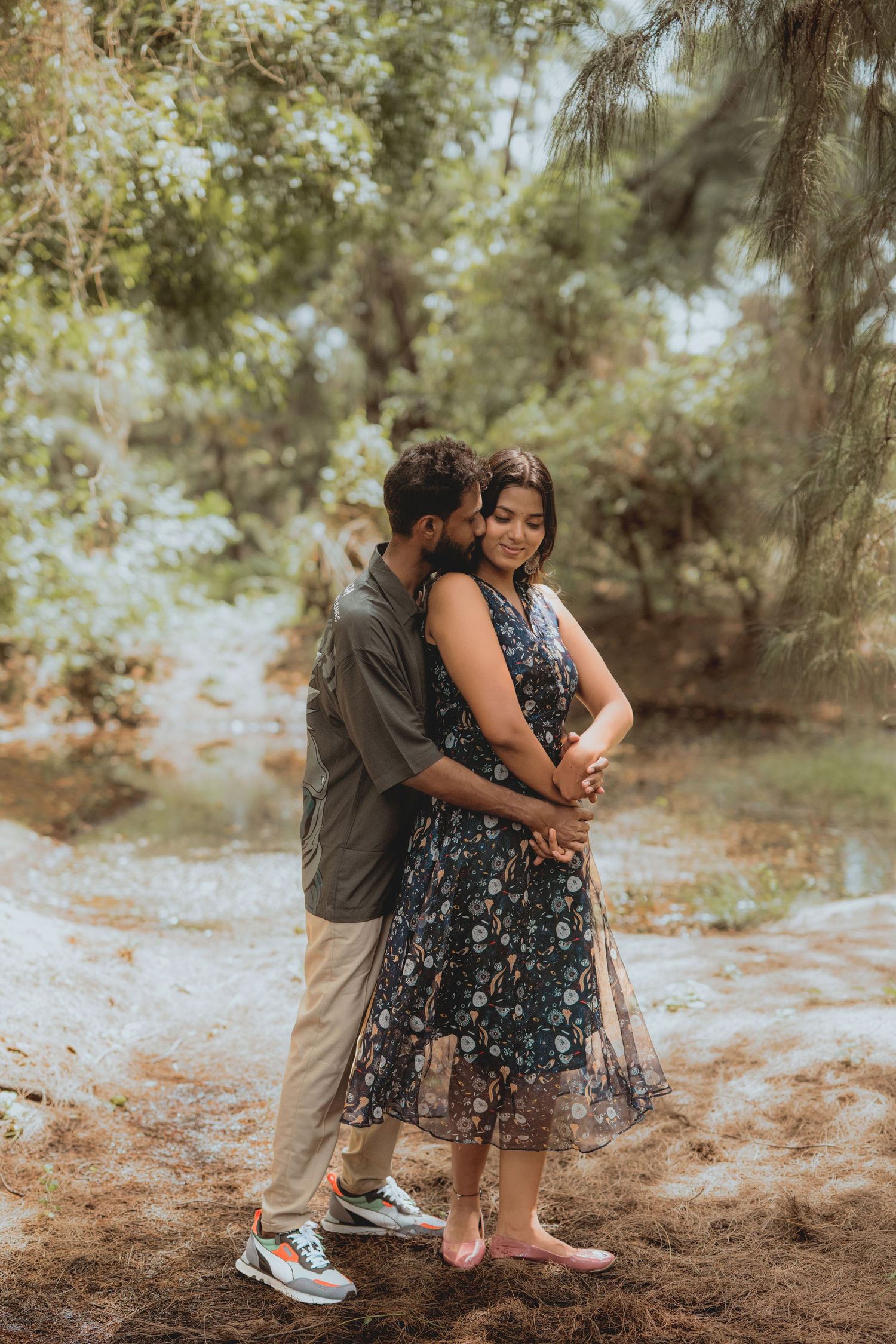
Tamil weddings, especially the traditional Iyer and Iyengar ceremonies still common across Chennai, are dense with sequence — oonjal, nalangu, kashi yatra, mangalyadharanam, saptapadi, each with its own small crowd of aunts directing traffic. A candid photographer's job in the middle of that is closer to a documentarian's than a director's: know the order of events well enough to be in position before they start, then stay quiet. We shoot Chennai weddings with longer lenses through a lot of the ceremony precisely so we are not the reason someone's eyes flick toward the camera mid-ritual. The best compliment we get from a Chennai family is not "great photos" — it is "I don't even remember you being there."
Light is the other constant negotiation. Many of the city's kalyana mandapams have low ceilings, mixed tube and tungsten lighting, and very little natural light reaching the mandapam itself, while the reception later that evening might be lit entirely by stage LEDs cycling through colour. A photographer who only knows how to shoot outdoor golden hour will struggle here. Chennai candid work means carrying fast lenses, understanding how to read a room's existing light instead of overpowering it with flash, and knowing when a burst of flash actually helps versus when it flattens a moment that had real warmth in available light. The humidity does not help either — gear fogs up walking between an air-conditioned hall and the parking lot, and an early morning muhurtham in June or July can mean shooting in near-total darkness before sunrise.
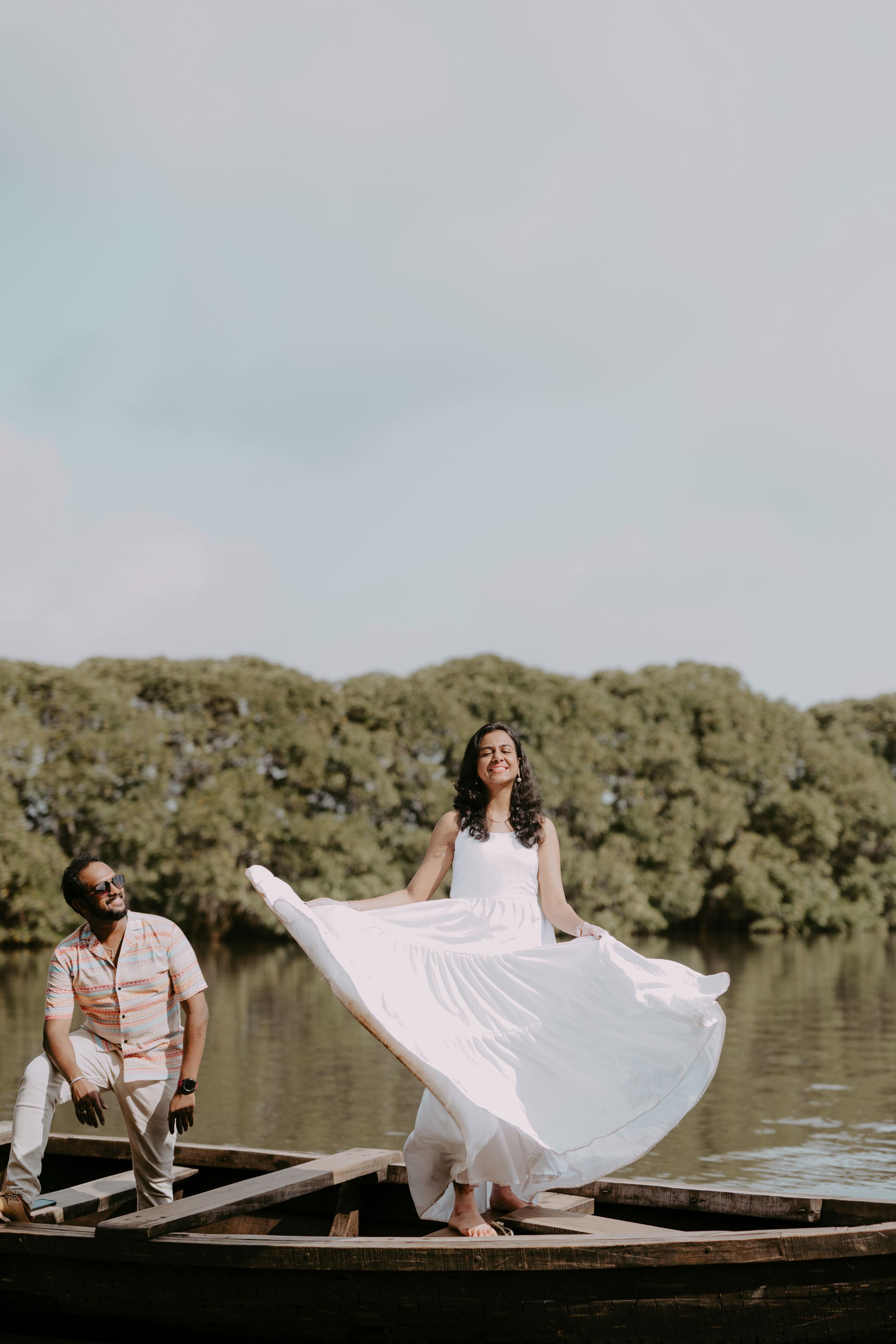
What we look for, more than any dramatic gesture, are the transitions — the seconds between the scheduled moments. A grandmother re-pinning a garland that slipped. A groom mouthing a joke to his best man while the priest chants. A bride catching her mother's eye across a room mid-ceremony and both of them deciding, silently, not to cry yet. None of that is choreographed and none of it can be recreated for a second take. It is also usually what a couple remembers most vividly years later, more than the formal shots lined up against a mandapam backdrop.
Editing for Chennai weddings follows from the same logic as the shoot. Silk kanjeevaram sarees carry deep reds, mustards and temple-gold borders that shift under mixed lighting, so colour grading has to protect skin tone first and let the saree's actual colour read true rather than pushing everything toward a single trendy filter. Over-processing a candid frame usually kills the thing that made it candid in the first place.
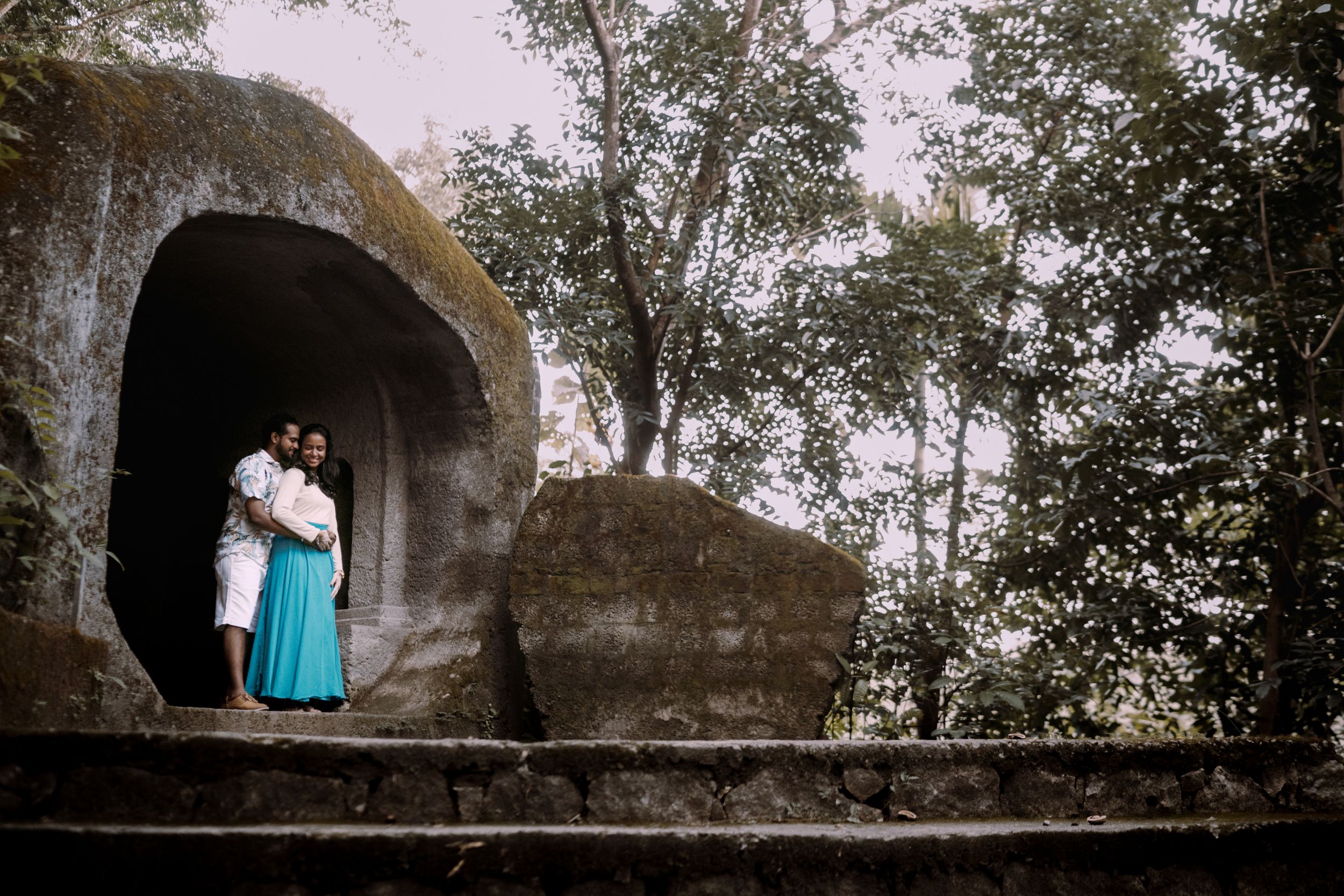
If you are choosing a candid photographer in Chennai, the most useful thing to ask for is not a portfolio of posed couple shots but a full, unedited sequence from one ceremony — ask to see forty or fifty consecutive frames from a single ritual, not the ten best picked out of it. That sequence tells you whether the photographer was actually reading the room or just waiting for a cue. It is also worth asking directly how they handle low light in mandapams, since that is where most inexperienced candid shooters fall back on harsh direct flash and lose the mood entirely.
Our own Chennai coverage is built around this: a lead photographer who stays with the ceremony from muhurtham through reception, full-day coverage with 500-plus edited images at minimum on our Essential package, and on our Premium package — the one most Chennai couples choose — a second photographer working the room simultaneously so nothing happens out of frame, along with a same-day edit reel and a 4K cinematic film. Pricing for these is indicative and depends on your venue, date and coverage hours; we quote it properly once we know the specifics of your day.
We've been fortunate to have Chennai couples rate us 4.7 out of 5 across 108 Google reviews, which we take as a sign that this way of shooting — close, quiet, unposed — is what people actually want from their wedding photos once the day is over and the memory is all that's left. If you'd like to see more of our Chennai work before your own wedding, we'd be glad to walk you through it.